By The Conservateur
Getty Images / Juan Naharro Gimenez
For years, the story we were told about Christianity in the West had a predictable ending. People predicted that churches would empty, faith would fade, and each generation would become more secular than the last, until religion was little more than a family tradition remembered at Christmas.
But young people are beginning to write a different story.
Across America and parts of Europe, new converts are entering the Catholic Church, asking serious questions about God, and embracing a faith that modern culture has spent decades encouraging them to leave behind. This reveals something that deserves far more attention: signs of renewal in places where Christianity’s decline was often treated as inevitable.
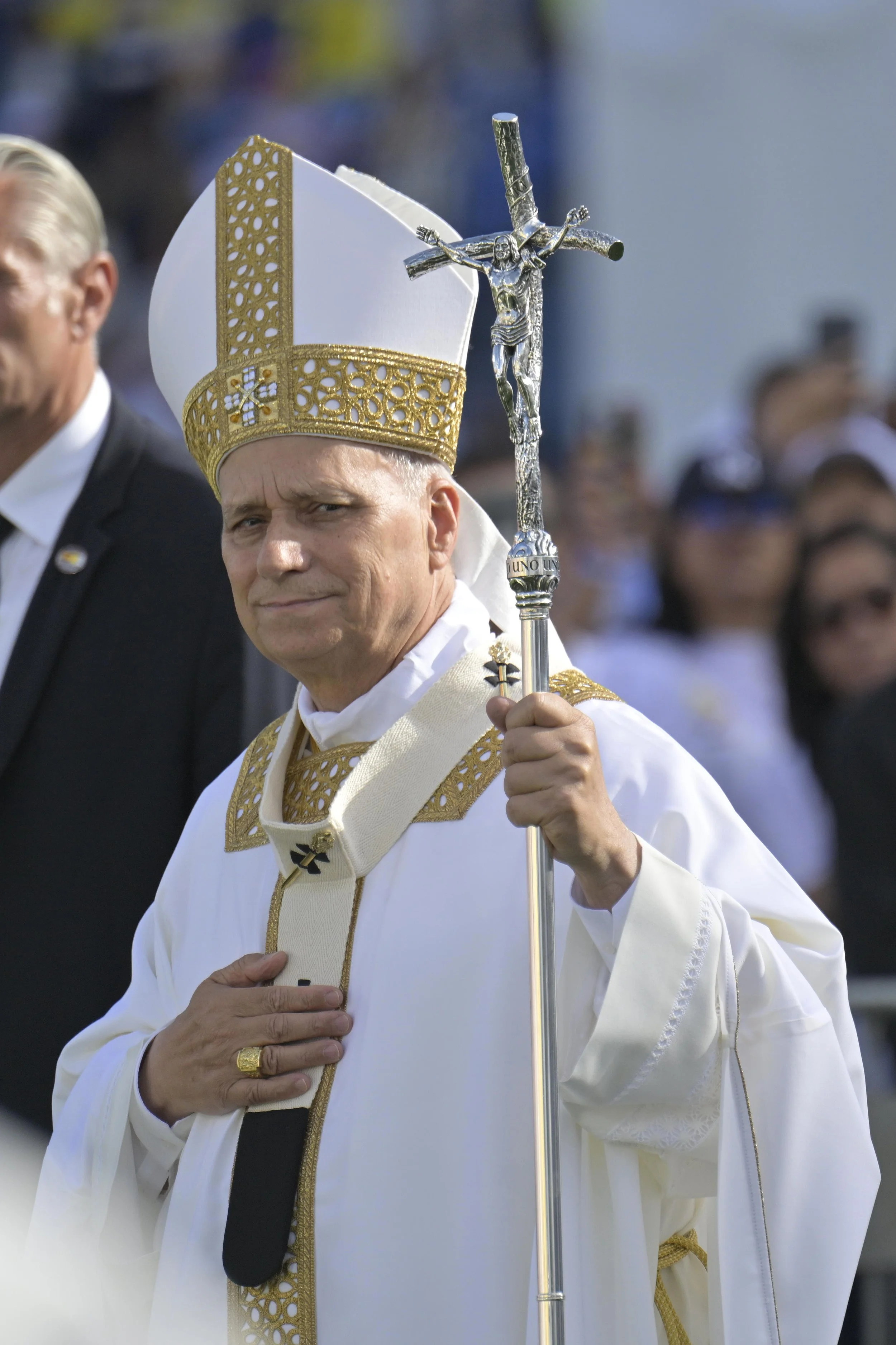
At this moment stands Pope Leo XIV, the first American pope.
TIME should name him its 2026 Person of the Year.
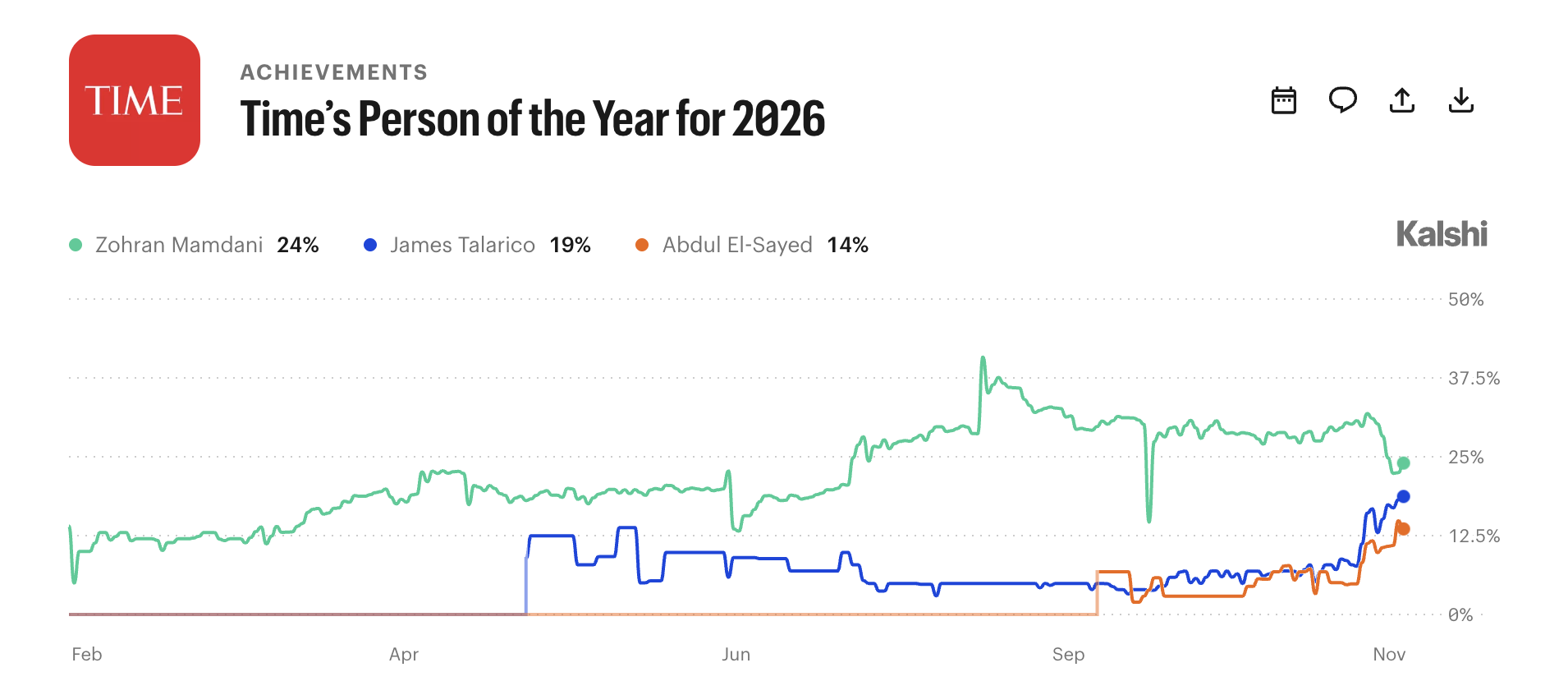
Right now, Kalshi’s markets predict Pope Leo’s odds at 10% to become the Time Person of the Year.
His election would have been historic in any era. Born in Chicago, educated at Villanova, and formed through religious life and ministry that took him far beyond the United States, Robert Francis Prevost became Pope Leo XIV on May 8, 2025. His American upbringing and years of service in Peru give his papacy a particularly compelling connection between our country and the universal Church.
But the case for Leo goes beyond the novelty of an American in the Vatican. It rests on the spiritual moment he is helping to shape.
A generation looking for something sacred
Consider what is happening in the United States.
In March, the Catholic prayer app Hallow published data gathered from more than 140 American dioceses. Among the dioceses surveyed, participation in the process for entering the Church increased by an average of 38 percent over 2025. Those figures include both people preparing for baptism and already baptized Christians preparing to enter full communion with the Catholic Church.
The developments on college campuses are especially striking. Hallow’s separate campus research reported an 87.6 percent increase in participation in Catholic initiation programs among the ministries it studied between the 2024–25 and 2025–26 academic years. At Texas A&M, the number of adults entering the Church rose from 121 to 204. These are findings from participating ministries, rather than a census of every American university, but they point to a remarkable opportunity for the Church among young adults.
Something similar is happening across the Atlantic. Vatican News reported that more than 13,000 adults were baptized in France at Easter in 2026. During Leo’s September visit, more than 80,000 young people gathered for a prayer vigil at the Stade de France. In a country so closely associated with secularism, those scenes deserve our attention.
A growing number of people are choosing Catholicism in a culture that gives them every permission to live without it. For a generation offered endless ways to express itself, the desire to kneel before something greater than itself is a cultural story worth telling.
The first American pope meets the moment
Leo did not create this spiritual hunger. Some of the renewal predates his election. The stronger argument for his influence is that he has recognized that hunger and is giving it direction.
At the Jubilee of Youth in August 2025, he addressed the questions beneath so much of modern life: What is happiness? What gives life meaning? Why does having more so often leave us feeling unsatisfied?
“Buying, hoarding and consuming are not enough,” he told the young people gathered at Tor Vergata. His homily directed them toward God, charity, forgiveness, and a life shared with others.
That message speaks directly to the limits of the culture young Americans have inherited.
We have become exceptionally skilled at selling young people things. Whether it be identities, lifestyles, beauty routines, political causes, or the promise that the next purchase will finally make them feel complete. We are much less comfortable asking what their lives are for.
The Catholic faith takes that question seriously. It offers a vision of human dignity rooted in being made and loved by God. It asks something of us: repentance, fidelity, sacrifice, service. It teaches that freedom carries responsibility and that love requires more than following our feelings.
For young women, especially, there is something deeply compelling about a faith that makes room for marriage, motherhood, religious vocation, intellectual life, and service within a larger understanding of holiness. Our worth does not depend on remaining desirable, professionally impressive, or perpetually available for public approval.
A pope who directs young people toward that deeper understanding of their lives is exercising a kind of influence that cannot be measured only in headlines.
A story worthy of the cover
The significance of an American pope also reaches beyond Catholic households. His election has given Americans a new reason to look toward Rome, and, perhaps, to look again at the parish down the street.
For practicing Catholics, it is an invitation to deepen the faith. For those who have drifted away, it can open a door. For the curious, it offers a starting point for questions they may never have asked before.
Leo’s task is to help that attention become something lasting: prayer, sacramental life, service, and a relationship with Christ. His encounters with young people show a pope taking that responsibility seriously.
TIME has an opportunity to recognize a consequential figure while telling a larger story about the world he leads. Alongside the familiar stories of political power and technological change, there is a spiritual story unfolding in campus ministries, conversion classes, confessionals, and the lives of young people discovering that an ancient faith still has something urgent to say.
Pope Leo XIV belongs on the cover because he stands at the meeting point of that history and that possibility.
The first American pope is leading a Church whose future in the West is still being written. Young people are stepping forward to help write it.
TIME should pay attention.
Sponsored by Kalshi
Trade $25 with code Conservateur.
Trade responsibly.