The Real Food Revival: A Physician’s Case for Biblical Eating
By Dr. Jen Pfleghaar
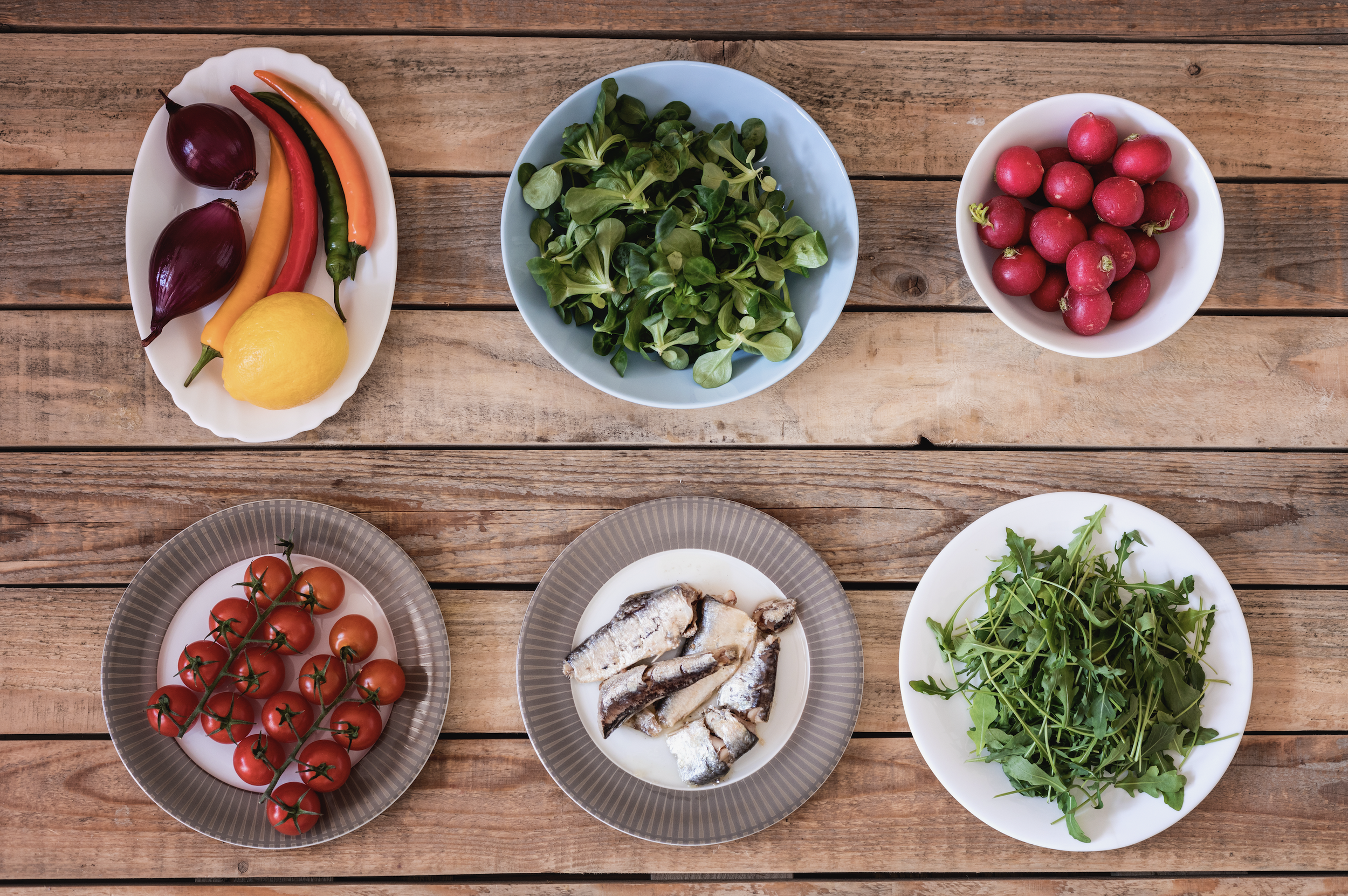
Getty Images/Drbouz
I regularly recommend a sardine fast to my patients and tell them their daily green smoothie may be contributing to their joint pain. That statement usually gets a few raised eyebrows, but it speaks to a larger problem: many Americans have been taught that foods marketed as “healthy” automatically are healthy.
Meanwhile, highly processed foods are contributing to chronic disease, metabolic dysfunction, infertility, and obesity. It is time to return to real food—and perhaps to what some are now calling biblical eating.
This spring, I attended and spoke at MeatStock, a conference in Gatlinburg, Tennessee, focused on carnivore and animal-based nutrition. There was a Make America Healthy Again (MAHA) panel featuring Alex Clark, Calley Means, Mikhaila Peterson, and Vani Hari. The energy was incredible. While the media often portrays these groups as extreme, what I witnessed was something much simpler: people trying to reclaim their health by prioritizing real food.
The New York Times and Fox News both covered the event, a sign of how quickly this movement is growing. Why is it growing? Because Americans are tired of being sick. They’re tired of obesity, diabetes, infertility, autoimmune disease, and chronic inflammation. They are starting to ask whether our food supply deserves some of the blame.
Food is a gift from God. We are called to steward our bodies well because they ultimately belong to Him.
As Paul writes in 1 Corinthians 10:31, “So whether you eat or drink or whatever you do, do it all for the glory of God.”
What is biblical eating?
It is not necessarily recreating the exact diet of ancient Israel. Rather, it is embracing biblical principles of stewardship, gratitude, and nourishment. It is choosing foods closer to how God created them and further away from how they are manufactured in a factory.
Biblical eating is not a new concept. From Genesis on, we see God’s provision of nutrient-dense foods from the earth. While nutrition science has evolved, the principle remains the same: food was designed to nourish us, not simply entertain us.
For many people, this includes:
Eggs
Sardines and fish
Beef, lamb, and other meats
Fruits and vegetables
Raw milk and traditional dairy products
Butter and healthy animal fats
What doesn’t fit as well into this framework?
Ultra-processed foods
Sugary coffee drinks
Energy drinks loaded with artificial ingredients
Industrial seed oils
Highly processed snack foods
One of the most interesting developments has been the return of raw milk and traditional dairy. For decades, Americans were told to fear saturated fat and embrace low-fat processed alternatives. Today, many consumers are reexamining those recommendations and seeking foods that are closer to their natural state. Whether it’s raw milk, grass-fed butter, homemade yogurt, or traditional cheeses, people are asking an important question: Why did we move so far away from foods our grandparents recognized?
Eating red meat has become the newest biohack, and honestly, what’s not to love?
Protein supports muscle preservation. Healthy fats support hormone production. B vitamins support methylation, energy production, and cellular health.
For women especially, adequate protein is one of the most powerful tools for improving body composition, supporting hormones, maintaining metabolic health, and navigating perimenopause and menopause.
As an integrative physician, I will occasionally use a short-term carnivore diet or animal-based elimination approach with selected patients. The goal isn’t to create dietary dogma. The goal is to lower inflammation, identify food triggers, support gut healing, and balance blood sugar.
One of the most consistent things I observe is that when people eliminate processed food, cravings decrease. Inflammation decreases. Energy improves. They often begin feeling better, and they usually lose weight.
Americans are chronically sick, inflamed, and overweight. One thing that has coincided with this pattern is the transformation of our food supply.
In the 1990s, low-fat products dominated grocery store shelves. Hundred-calorie snack packs were marketed as healthy. Margarine replaced butter. Fat—even healthy fat—was portrayed as dangerous.
What happened? Rates of obesity, type 2 diabetes, infertility, and chronic disease climbed while ultra-processed foods became the norm. While many factors contribute to these trends, few can deny that our food supply has dramatically changed.
For many families, the drive-thru replaced the home-cooked meal. Foods that can sit on shelves for months or years became staples of the American diet.
Today, research continues to associate ultra-processed foods with increased risks of obesity, type 2 diabetes, cardiovascular disease, and higher rates of all-cause mortality.
These products are specifically engineered to be hyper-palatable. They override our God-given hunger and satiety cues. They encourage us to consume more calories while receiving fewer nutrients. Research has shown that diets dominated by ultra-processed foods can leave people consuming excess calories while falling short on essential nutrients. The result is a population that is simultaneously overfed and undernourished.
That should concern all of us, and it is one of the driving forces behind the growing movement toward biblical eating and the return to real food.
We are called to receive food with gratitude, share it with family and community, and choose foods that nourish our bodies rather than simply entertain our taste buds. Scripture calls us to exercise self-control and to be good stewards of the bodies God has entrusted to us. Perhaps the answer so many Americans are searching for is not found in the latest fad diet, food product, or health hack, but in a return to the simple, nutrient-dense foods God created.
The Real Food Revival isn’t really about meat, raw milk, or sardines. It’s about returning to foods our great-grandparents would recognize and honoring God through the way we care for our bodies. In a culture obsessed with convenience, perhaps choosing real food is one of the most countercultural—and healthiest—things we can do.
“So whether you eat or drink or whatever you do, do it all for the glory of God.” —1 Corinthians 10:31 (NIV)
Jen Pfleghaar, DO, is a double board-certified physician in emergency medicine and integrative medicine specializing in women’s hormone health, metabolic medicine, and longevity science. She is the founder of Healthy by Dr. Jen and speaks nationally on restoring health through a root-cause, faith-informed approach to medicine. She lives on a mini farm in Tennessee with her husband and four children. Follow her work at @integrativedrmom and healthybydrjen.com.
References
Lane, M. M., Gamage, E., Du, S., Ashtree, D. N., McGuinness, A., Gauci, S., Baker, P., Lawrence, M., Rebholz, C., Srour, B., Touvier, M., Jacka, F., O’Neil, A., Segasby, T., & Marx, W. (2024). Ultra-processed food exposure and adverse health outcomes: Umbrella review of epidemiological meta-analyses. The BMJ, 384. https://doi.org/10.1136/bmj-2023-077310
Monda, A., De Stefano, M. I., Villano, I., Allocca, S., Casillo, M., Messina, A., Monda, V., Moscatelli, F., Dipace, A., Limone, P., Di Maio, G., La Marra, M., Di Padova, M., Chieffi, S., Messina, G., Monda, M., & Polito, R. (2024). Ultra-processed food intake and increased risk of obesity: A narrative review. Foods, 13. https://doi.org/10.3390/foods13162627
Wang, L., Steele, E., Du, M., Luo, H., Zhang, X., Mozaffarian, D., & Zhang, F. (2024). Association between ultra-processed food consumption and mortality among U.S. adults: Prospective cohort study of the National Health and Nutrition Examination Survey 2003–2018. Journal of the Academy of Nutrition and Dietetics. https://doi.org/10.1016/j.jand.2024.11.014