While Preparing for Baby No. 4, Allie Beth Stuckey Is Challenging Christian Womanhood’s Biggest Myth
By Bethany Miller
Photography by Gregory Woodman

The message is unexpected coming from a woman announcing her fourth pregnancy.
For years, Christian women have been told some version of the same story: life begins when you meet the right man. Purpose arrives with a wedding ring. Fulfillment comes with motherhood.
Allie Beth Stuckey disagrees.
“Your life doesn’t start when you get married or have kids,” she told The Conservateur.
It is a conviction she holds even as she prepares for one of the biggest milestones of her own life.
In an exclusive conversation with The Conservateur, Stuckey revealed that she and her husband, Timothy, are expecting their fourth child this November.
“We were not sure we would have four, given some of the difficult pregnancies and births I have experienced,” she said. “But we are truly excited. We trusted the Lord, and this baby feels like such a gift.”
The baby, due this fall, will join the couple’s three daughters and marks a new chapter for one of the most influential Christian women in conservative media. Yet when asked about womanhood, marriage, and motherhood, Stuckey consistently returned to a different theme altogether: purpose is not something women are supposed to postpone.
“You can fully glorify God right now. You can fully fulfill your purpose right now as a single woman, as a dating woman, as an engaged woman,” she said. “I think sometimes we have this mentality that the fullness of joy and purpose as Christian women does not start until we meet our husband, get married, and have kids. I actually think that is a lie of the devil to keep you from joy.”
For Stuckey, that message has become increasingly important as young women find themselves caught between competing visions of femininity.
On one side is modern feminism, which tells women fulfillment comes through self-actualization, career achievement, and personal ambition. On the other is a highly aestheticized tradwife movement that often presents biblical womanhood as a lifestyle brand complete with sourdough bread, floral dresses, homeschooling, and homesteading.
Stuckey has little interest in either extreme.
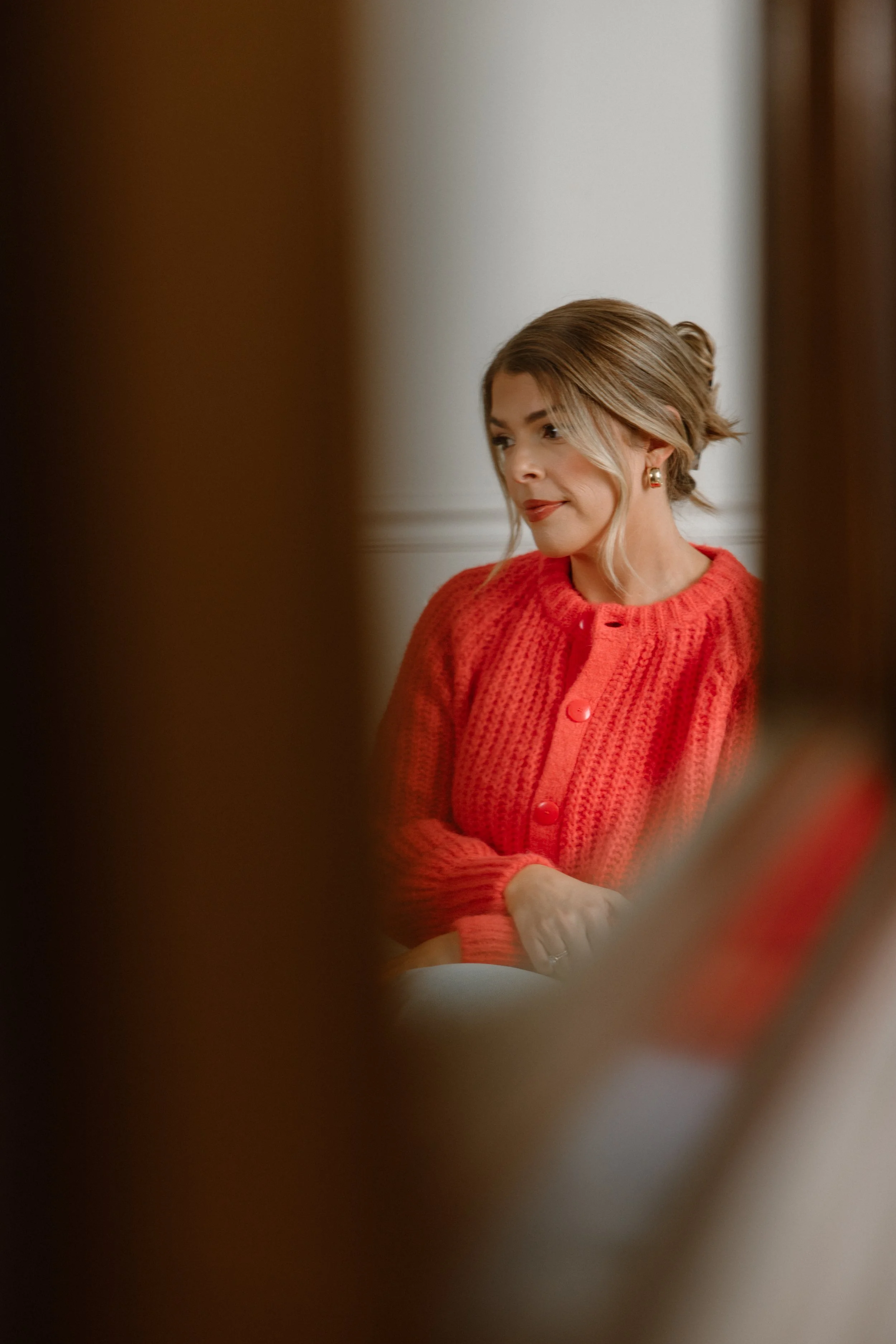
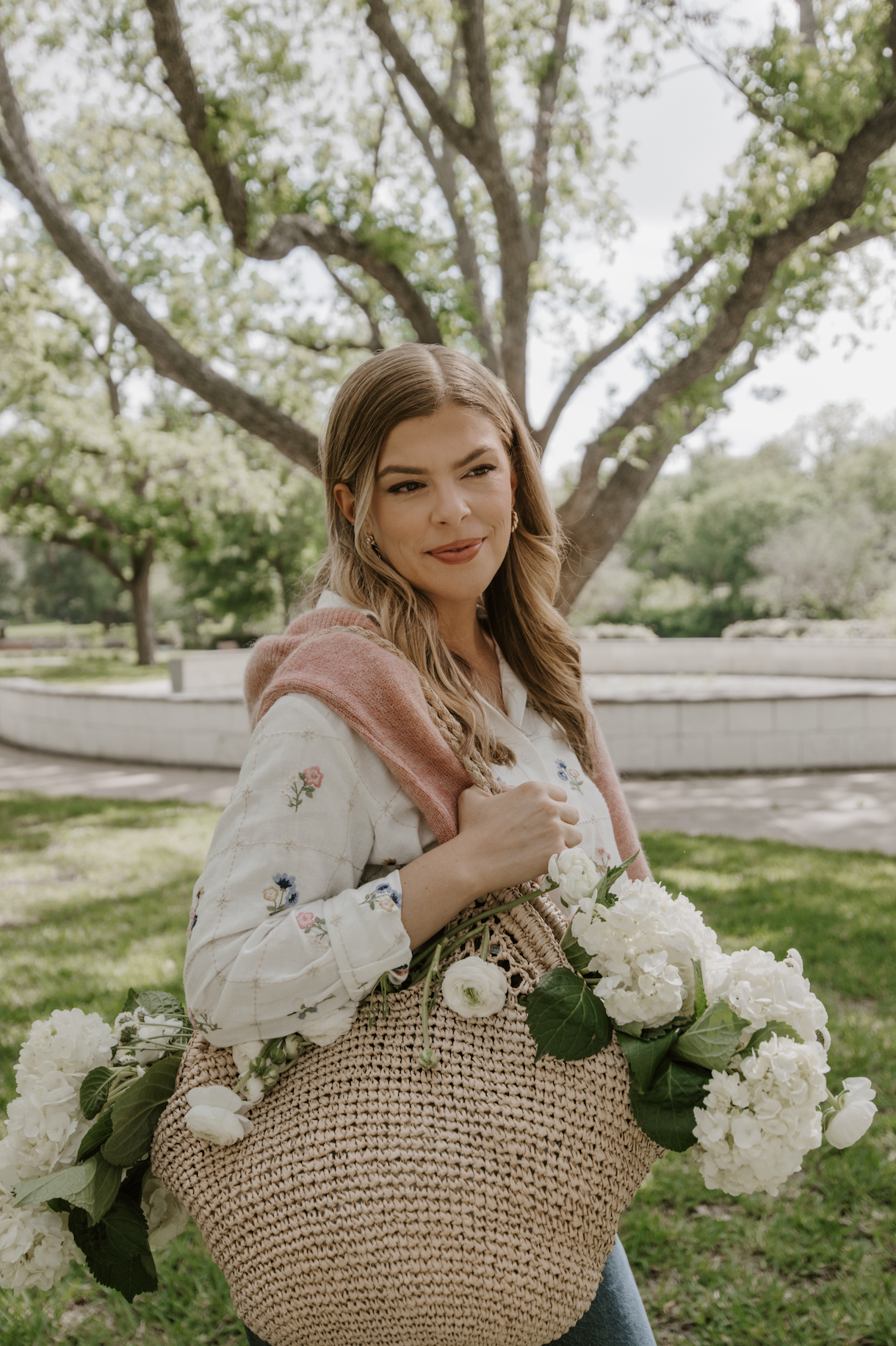
“You do not have to bake sourdough, you do not have to homeschool, you do not have to wear only floral dresses, you do not have to homestead in order to be a biblical wife,” she said.
The distinction matters because, in her view, many women have confused tradition with biblical faithfulness.
“We are not going after tradition as Christians,” she said. “We are going after what biblical standards are.”
A biblical woman, she argues, can faithfully serve God from a Manhattan apartment, a suburban neighborhood, or a rural homestead. She can be changing diapers, studying for an exam, managing a business, or caring for her family.
The standard is not aesthetics. The standard is obedience.
“Being a biblical woman in this moment is doing the next right thing in faith with excellence and for the glory of God.”
That emphasis on biblical clarity has been a defining characteristic of Stuckey’s work since long before Relatable became one of the largest Christian podcasts in America.
The seeds were planted years earlier while leading a Bible study for college freshmen in Athens, Georgia. During the 2016 election cycle, she discovered that many Christian young women had never seriously considered how their faith should shape their political convictions.
One conversation in particular changed her trajectory.
A student told her she supported Bernie Sanders. As Stuckey began asking questions about issues like abortion, she realized there was a significant gap between Christian belief and political understanding.
“There are all of these college women, these Christian college women, who have no idea how to make sense of politics through the lens of their worldview,” she recalled.
What followed were presentations at sorority houses, a blog called The Conservative Millennial, a role at The Blaze, and eventually the platform she leads today.
The audience has grown dramatically, but the mission has remained remarkably consistent.
“The same foundation, the same passion is there,” she said.

Today, however, the challenge she sees facing women is not merely political.
In fact, Stuckey believes the most significant threat confronting Christian women is something else entirely.
“The biggest problem among women, and Christian women in particular, is therapy culture.”
She points to the growing popularity of self-help language, self-affirmation messaging, inner-child therapy concepts, and therapeutic frameworks that increasingly influence Christian spaces.
“Ultimately, I think all of these psychological ideas elevate the god of self rather than leading us to Christ and encouraging us toward self-denial.”
The concern formed the backbone of her bestselling book You’re Not Enough and continues to shape much of her commentary.
At its core, Stuckey believes many women are being discipled by a culture that teaches self-discovery rather than self-denial.
The modern message, she argues, says happiness is found by looking inward.
Christianity says fulfillment is found by looking to Christ.

“In the presence of Christ is where you find the fullness of your satisfaction and your purpose and your identity,” she said, “not in some future hypothetical of getting married or having kids.”
That conviction also shapes how she thinks about her own children.
When asked what kind of future she hopes her daughters inherit, Stuckey’s answer was less about politics than formation.
“We want strong young men, courageous young men, hard-working young men who are also gentle and kind and loving and like Christ.”
It is the answer of a mother who spends as much time thinking about character as culture. A woman who has built a career speaking into the lives of millions, yet remains focused on the ordinary institutions that ultimately shape a nation: families, churches, marriages, and communities.
Soon, her own family will grow by one.
But if there is a single lesson Stuckey hopes women take from her story, it is not that fulfillment comes through marriage, motherhood, influence, or achievement.
It is that purpose is available right now.
Not after a wedding. Not after a baby. Not in some future season of life.
Because, as Stuckey has spent years reminding women, identity is not something waiting to be discovered in the next chapter.
It is already secure in Christ.
Bethany Miller is Managing Editor of The Conservateur, a fellow at Concerned Women for America, Director of Communications at NRB, and owner of Bethany Miller Photography. She serves as a consultant for numerous political campaigns, governmental and military agencies, advocacy organizations, and ministries. Her written and visual work delivers classy conservative commentary on the conversations of our time. You can find her on Instagram and X @bethanyymmiller.