The Woman Behind Washington’s Most Important Welcome
By Alison Cheperdak
Power has its own etiquette. In Washington, that etiquette takes the form of protocol—one of the first ways America presents itself to a watching world.
As the United States Ambassador and Chief of Protocol, Monica Crowley is that first welcome that ultimately sets the table of American diplomacy. She welcomes heads of state on behalf of the President, helps oversee the diplomatic engagements of the President, Vice President, and Secretary of State, coordinates high-level visits and international summits, manages Blair House, and maintains relationships with the nearly 200 members of the diplomatic corps in Washington. Hand-in-glove with both strategy and symbolism, Crowley’s office covers the wide range of details that carry the greatest weight.
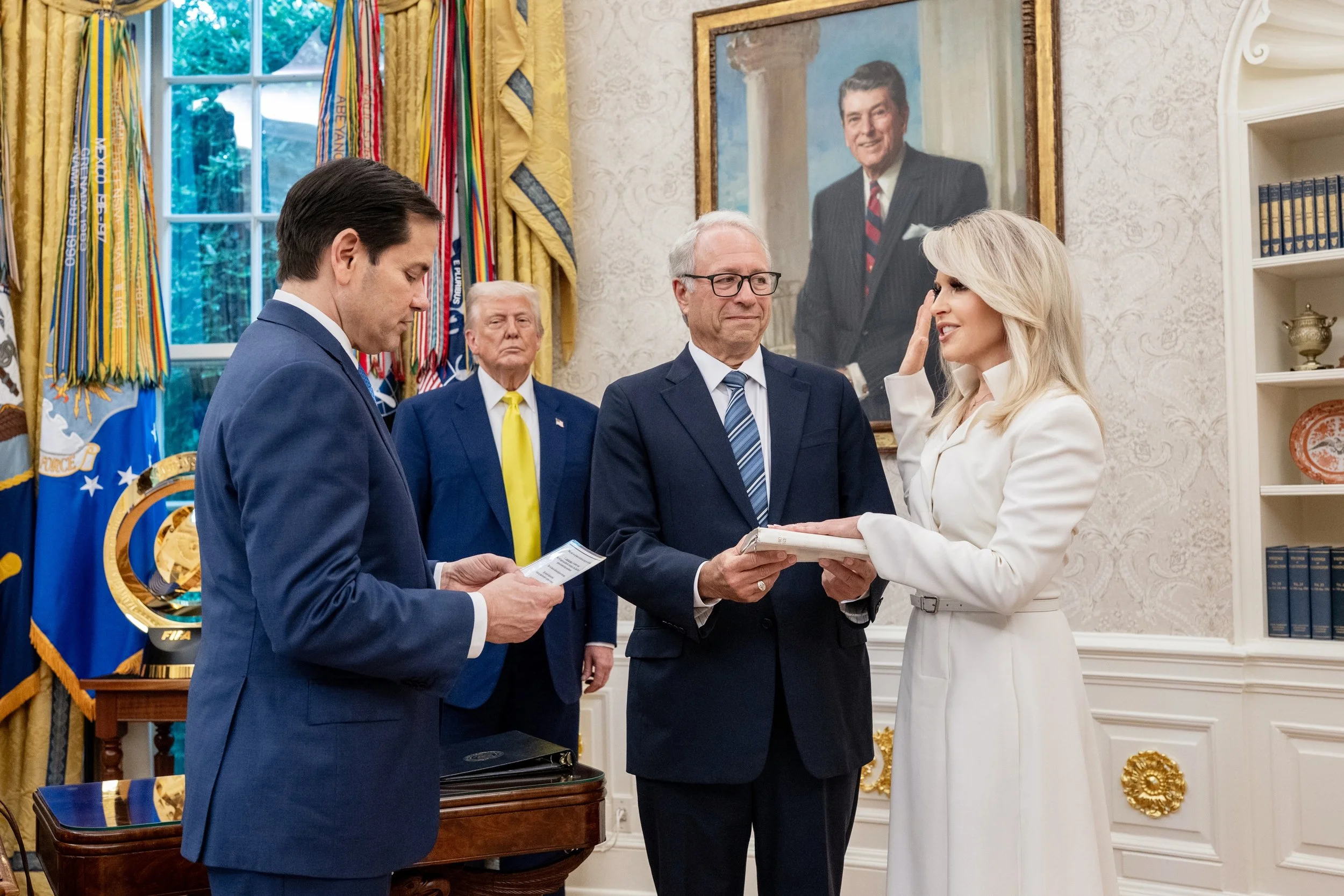
In an administration intent on projecting strength abroad and clarity at home, Crowley’s role is more than merely ceremonial. Protocol, in her hands, communicates seriousness, hospitality, and the priorities of the United States before a single formal conversation begins.
For Crowley, the road to this post did not begin with state visits or diplomatic ceremony. It began with a letter, a mentor, and a conviction that God orders a life more deliberately than we often realize in the moment.
“I think we all get so wrapped up in our minute-to-minute, day-to-day lives that we rarely take the time to step back and look at the bigger sweep of our lives,” said Crowley. “When you do, you start to see that God has a plan for your life. He puts you exactly where you need to be at exactly the right time.”
For Crowley, that belief is not simply philosophical but deeply personal. When she wrote a letter as a college student to former President Richard Nixon expressing her interest in foreign policy, she could not have imagined where that moment would ultimately lead. At the time, she was preparing to attend Villanova University School of Law and expected to pursue life as a lawyer. Instead, that letter began a mentorship that would quietly and powerfully redirect the course of her life. President Nixon, a lawyer himself, encouraged her to pursue the subject she cared most about—foreign policy—and advised that if she continued on to graduate school, it should be in that field.
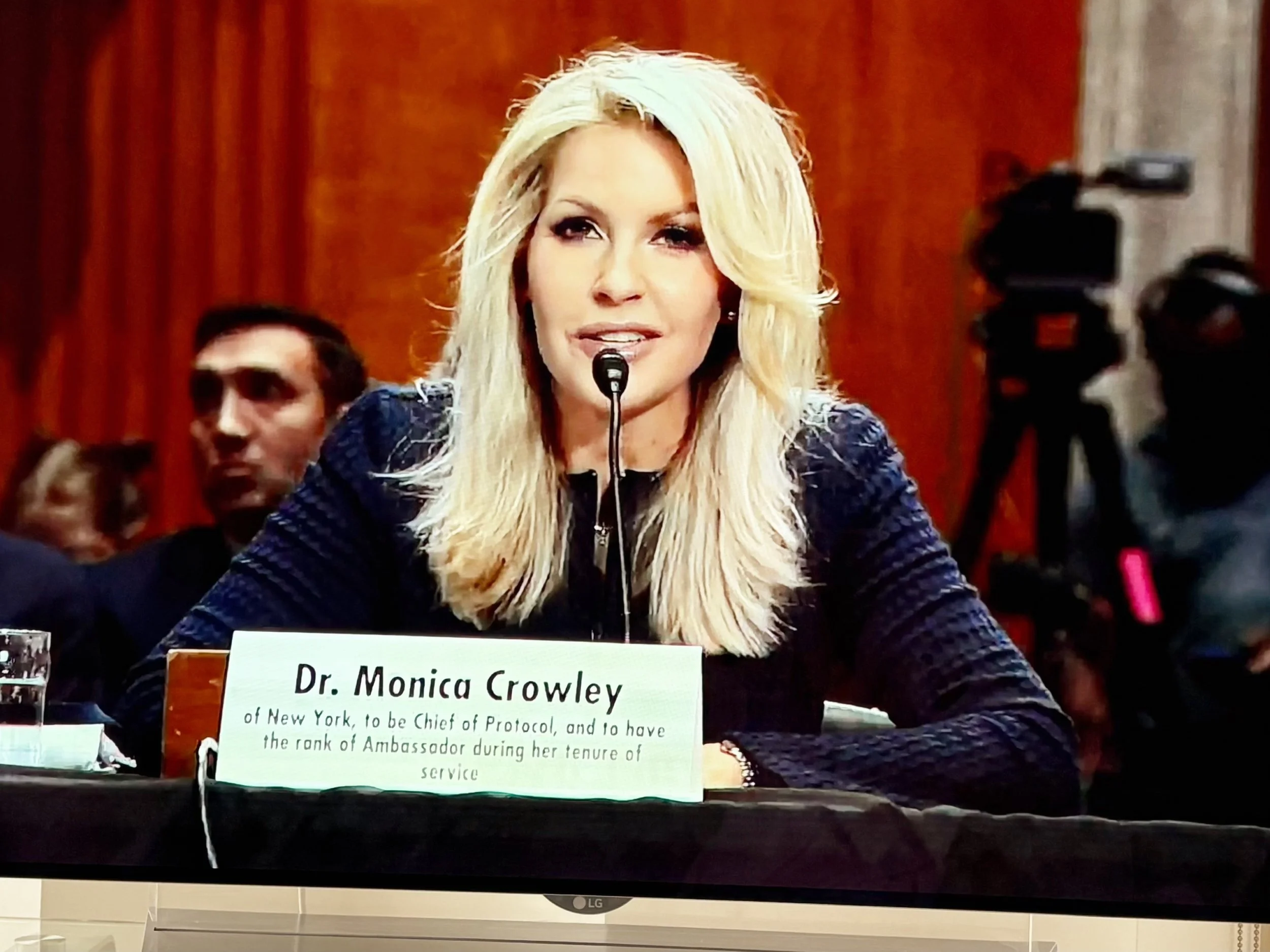
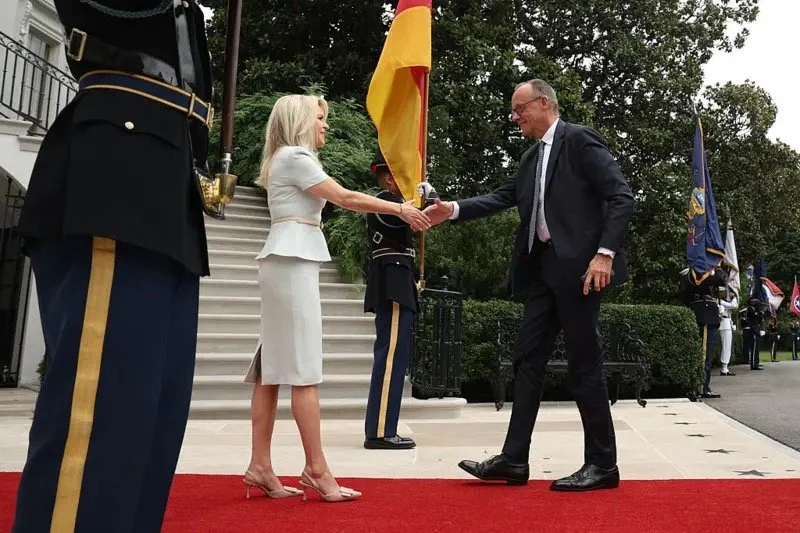
Today, that path has brought her to one of the most visible and symbolic roles in American diplomacy. As the United States Ambassador and Chief of Protocol, Crowley is often the first American official world leaders encounter when they arrive on American soil, welcoming them on behalf of the President of the United States.
“I take that responsibility very seriously: to be warm and engaging and put forward the best face for our country to the rest of the world. It’s an incredible honor.”
A Letter That Changed Everything
The story of Crowley’s rise begins, fittingly, with correspondence—and with a reply she never expected.
“I was a 20-year-old college kid with no money, no contacts, nothing—and this former American president wrote back to me because I had written him a letter telling him how much one of his foreign policy books had impacted, inspired, and educated me.”
What followed was an invitation that would change the course of her life. Nixon asked her to visit him at his office in New Jersey, where what she expected to be a brief meeting became an extended conversation about the state of the world and America’s role in it. The former president walked her through global affairs region by region, sharing the strategic thinking that had shaped his foreign policy legacy.
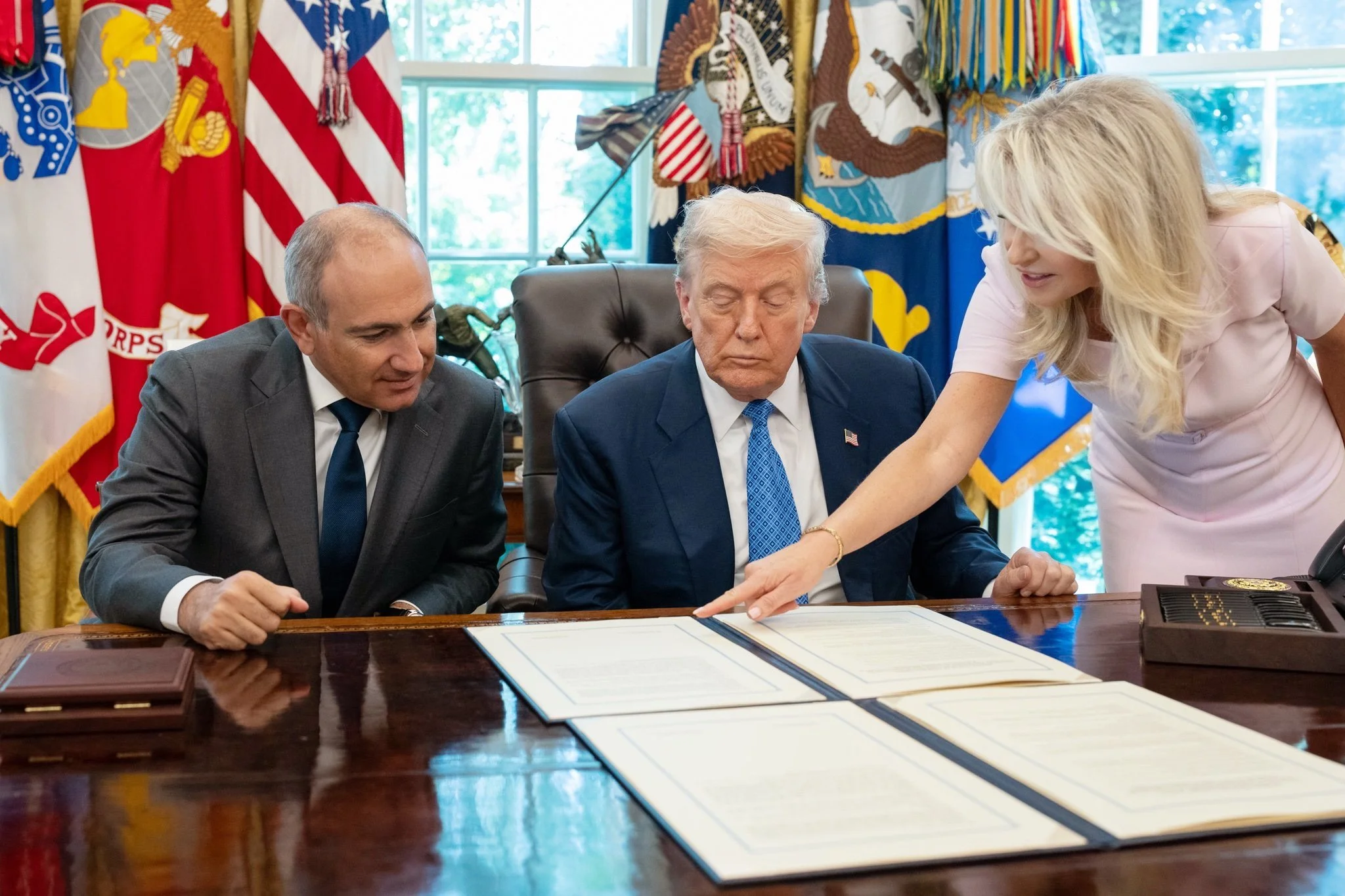
That first meeting soon grew into an ongoing mentorship. Crowley ultimately worked with Nixon during the final years of his life, gaining a rare, behind-the-scenes education in diplomacy as she observed meetings with visiting heads of state and international leaders who continued to seek his counsel. Looking back, it was the kind of preparation few aspiring foreign policy scholars could ever imagine—one that laid the groundwork for the career she would build in the decades that followed.
Crowley sees those early experiences not simply as professional formation, but as part of a larger providential design.
“This is what I mean when I say that God always has a plan. You may not see it in the moment. You may find yourself wondering, ‘What am I doing here? Am I wasting my time?’ But God does not waste your time.”

A Masterclass in Statecraft
Under Nixon’s mentorship, Crowley gained a rare firsthand education in global affairs. She accompanied him to meetings with visiting heads of state, watched the dynamics of high-level diplomacy unfold, and saw how relationships between world leaders were shaped not only by policy but by preparation, respect, and trust.
Those years deepened her commitment to the field Nixon had encouraged her to pursue. She went on to complete graduate studies in foreign policy and international relations, earning her Ph.D. from Columbia University and building a career that would blend scholarship, public service, and policy analysis. In retrospect, the preparation was both intellectual and practical—years spent studying diplomacy while also witnessing it firsthand at the highest levels.

Over the decades that followed, Crowley’s career took her through several arenas where global affairs, public communication, and government intersect. She spent many years in journalism and media, writing and commenting on foreign policy and international relations for national audiences. She later served in the first Trump administration as Assistant Secretary for Public Affairs at the U.S. Department of the Treasury, where she was responsible for communicating the department’s policies and priorities to the public and international stakeholders.
Seen in retrospect, each chapter added another layer of preparation for the role she now holds.
The Role Behind the Ceremony
Crowley leads the Office of the Chief of Protocol, an office responsible for far more than the ceremonial moments the public typically sees. The office oversees multiple divisions that manage everything from diplomatic visits and international summits to ceremonial events and relationships with the foreign diplomatic corps in Washington.
When a world leader visits the United States, the Protocol Office manages the engagement from beginning to end. That includes coordinating the arrival of the visiting delegation, planning meetings with the President, Vice President, and Secretary of State, and working with multiple agencies across the government to ensure that every element of the visit proceeds smoothly. The office also oversees Blair House, the historic residence across from the White House where many visiting heads of state stay during official visits.
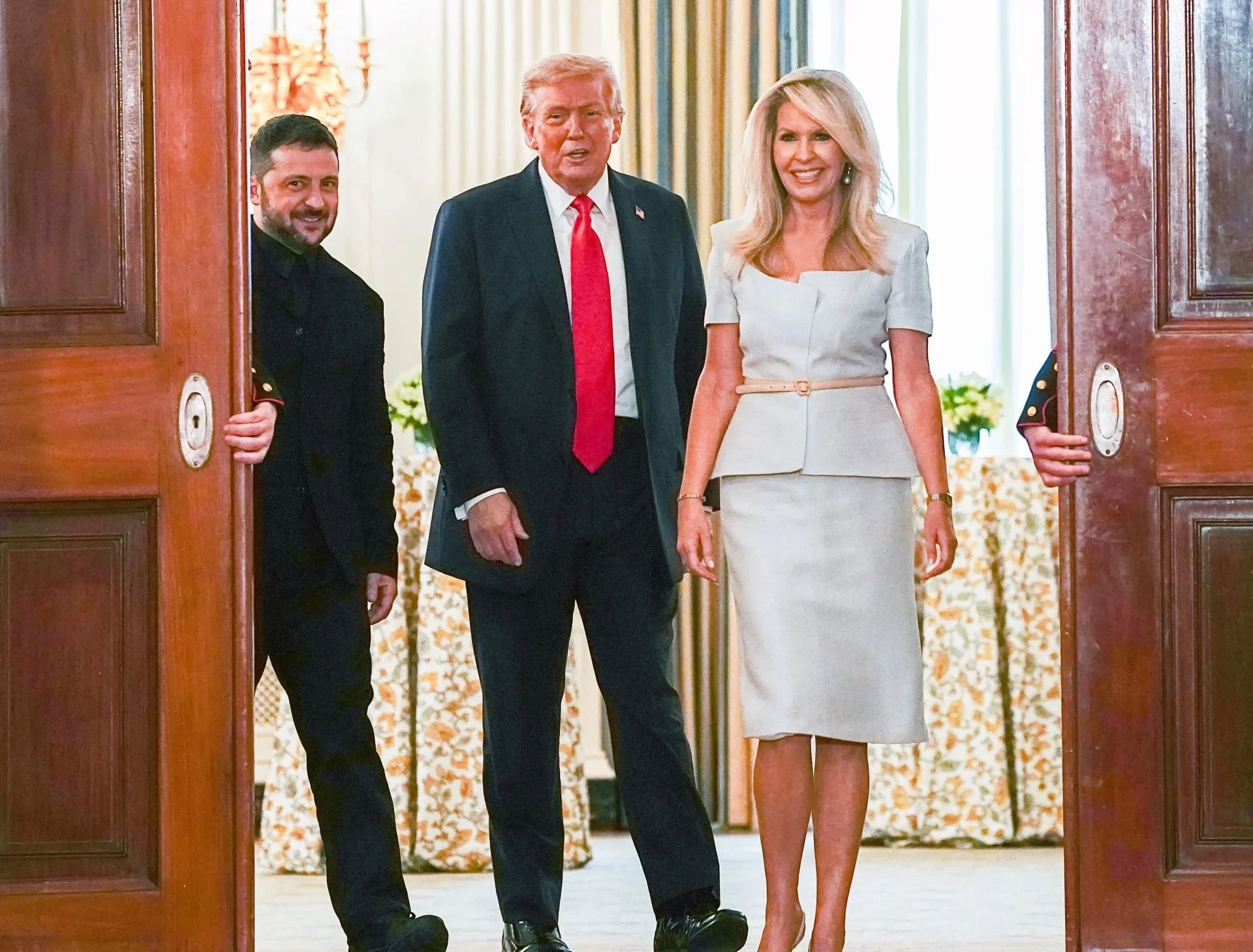
The work extends beyond individual visits. The Protocol Office also plays a central role in organizing major international gatherings hosted by the United States, from bilateral meetings to multinational summits that bring together leaders from around the world.
Those events often unfold at a pace few outside government would expect. Traditional diplomatic summits can take a year or more to plan, but Crowley notes that the current administration often operates with far shorter timelines. On one occasion, after returning from an overseas diplomatic meeting in the early hours of the morning, she learned that the United States would be hosting a summit with eight world leaders just days later. The Protocol Office had roughly thirty six hours to organize the visit. Working across agencies and international partners, her team successfully assembled the gathering in time for the meetings to take place.
Crowley credits her team with meeting those moments of urgency while maintaining the precision that diplomacy requires. The pace may be fast, but the standards remain high.
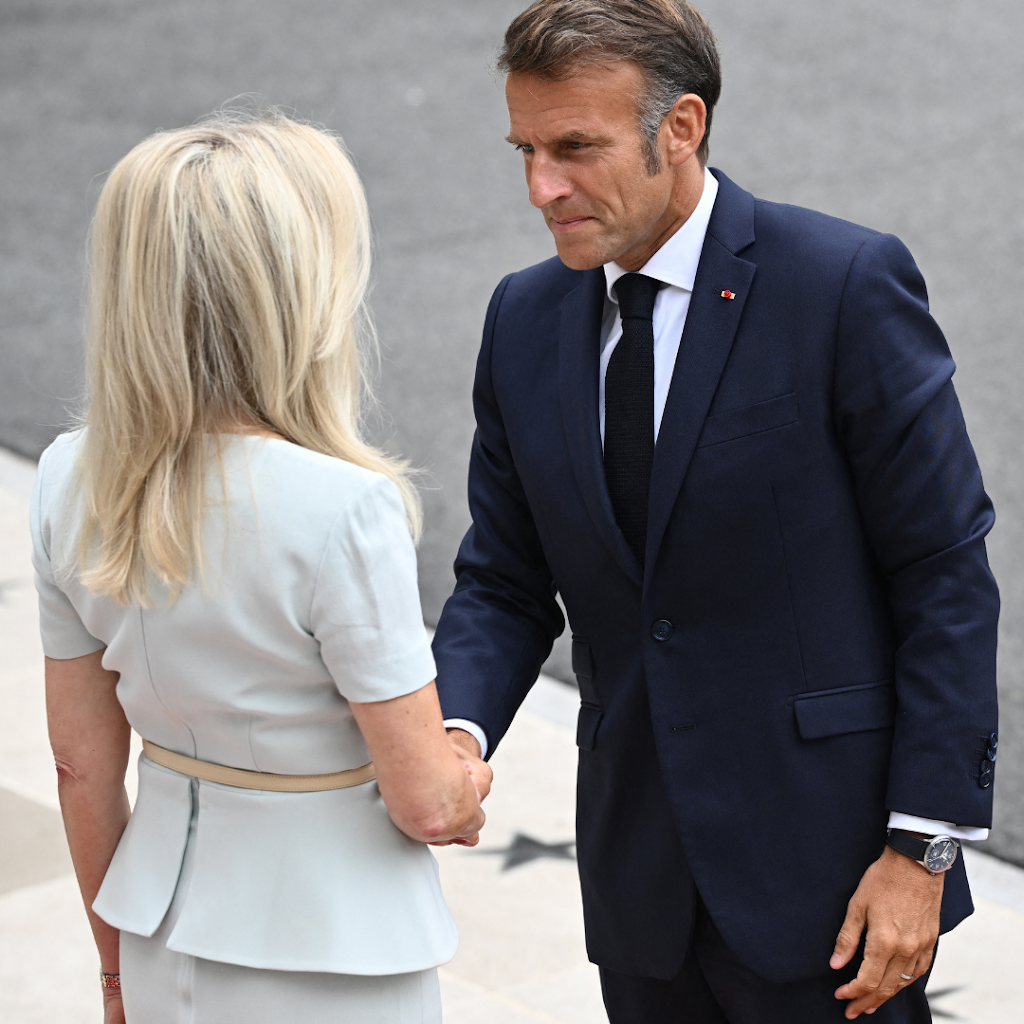
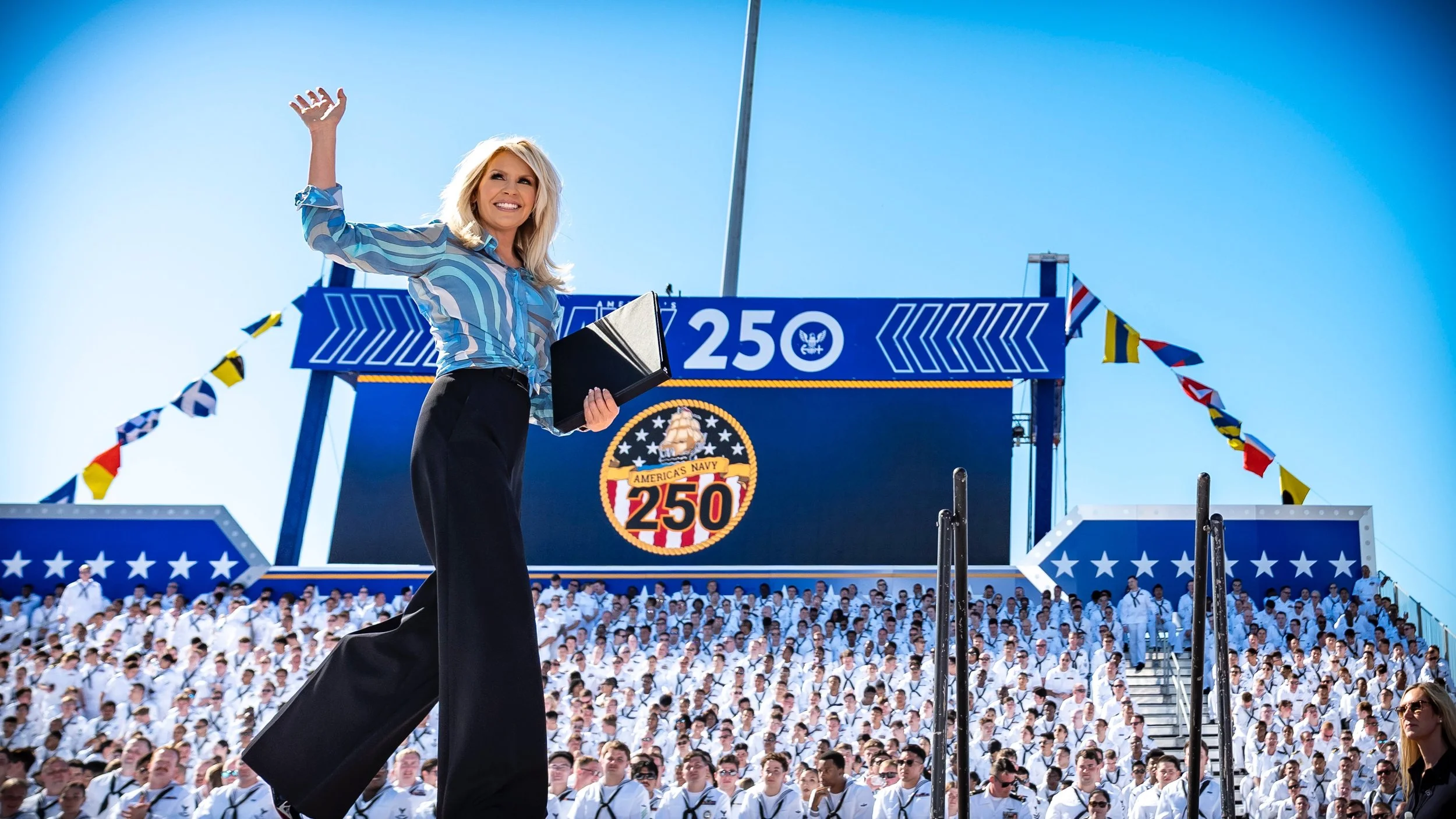
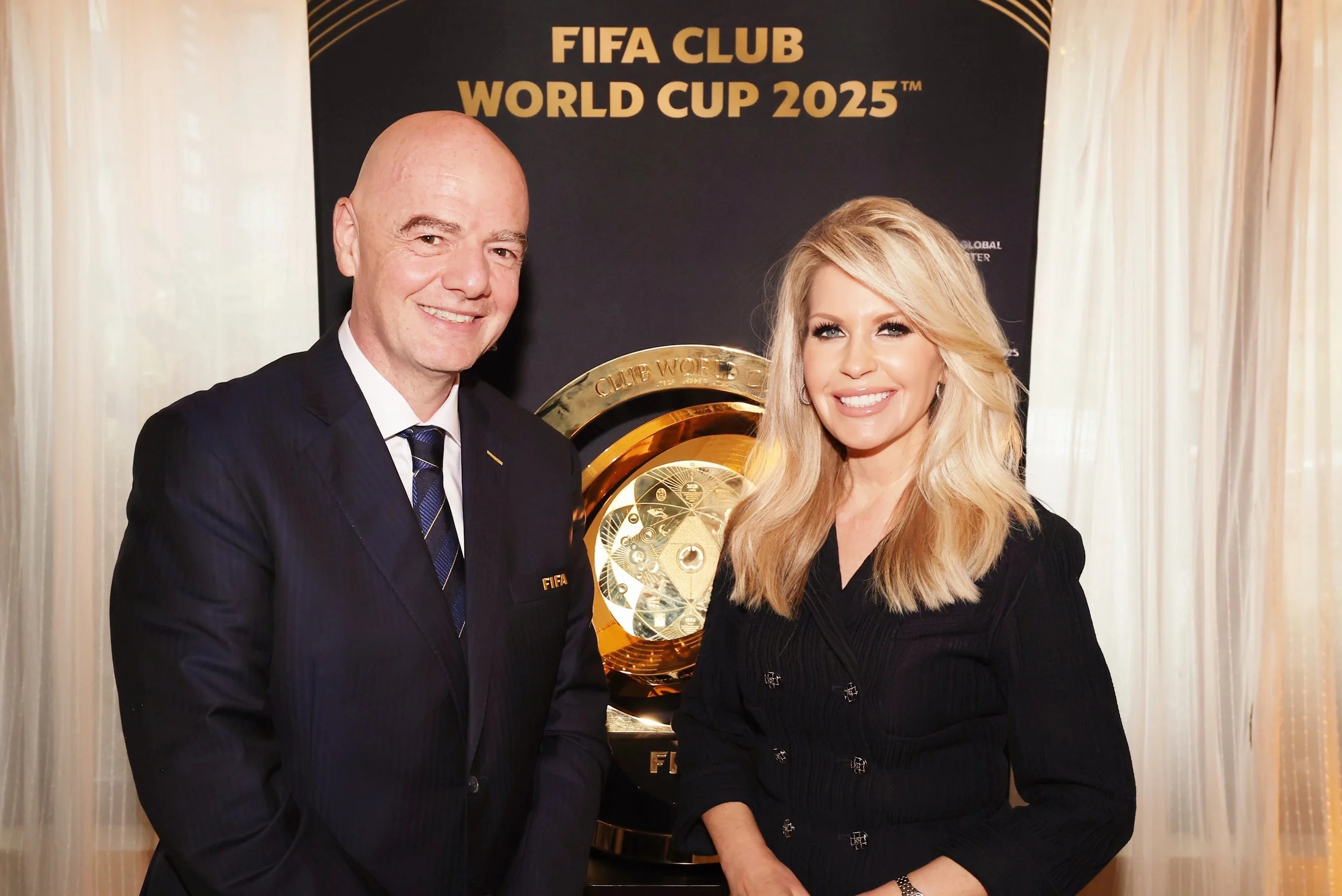
Her responsibilities also extend beyond day-to-day diplomacy. In addition to leading the Protocol Office, she has been asked by the President to help represent the United States in connection with several major global events in the coming years, including the 250th anniversary of the United States celebrations, the Fédération Internationale de Football Association (FIFA) World Cup, and the 2028 Summer Olympic Games in Los Angeles. Each requires coordination with foreign governments, international organizations, and domestic partners to ensure that the United States presents itself to the world with both precision and hospitality.
In many ways, the position sits at the intersection of ceremony and strategy. The details may appear small, but in diplomacy they matter. Every welcome, every meeting, and every carefully planned moment helps shape the tone in which nations engage with one another.

The Power of Soft Power
Crowley often describes this work as a form of diplomacy that operates quietly but powerfully.
“Soft power means communicating America’s priorities, our shared values and our sense of patriotism and pride in our country. It’s about representing everything the United States stands for in a softer way—through protocol, through etiquette and by being warm and engaging with those who are visiting our President, his administration and our country.”
For Crowley, soft power is not an abstract concept but a daily practice. Through careful preparation, attention to detail, and genuine hospitality, the Office of the Chief of Protocol helps create an atmosphere where serious diplomatic conversations can take place.
“We want them to feel as welcomed and well taken care of as possible. That helps ensure they have the access and resources they need to do their jobs well, while also creating the kind of environment that allows the President and his team to engage in the most robust, effective diplomacy for the United States.”

Character and Mentorship
In this way, diplomacy begins long before leaders sit down at the negotiating table. It begins with the tone that is set when they arrive, the care taken in their welcome, and the respect conveyed through every detail of the visit.
For those who know her personally, colleagues often speak first not about Ambassador Crowley’s title but about her character. They point to her warmth, her magnanimity, and the intellectual curiosity she brings to every conversation.
She is also known for celebrating the people around her and mentoring those beginning their careers in public service, especially younger women.
In many ways, it reflects the mentorship that once shaped her own path.
A Legacy of Service
For Crowley, the work of diplomacy ultimately comes down to service—service to the country she represents and to the principles she believes should define it. As Chief of Protocol, she stands at the meeting point of ceremony and statecraft, helping shape the tone, setting, and atmosphere in which the United States engages the world.
When asked what she hopes her time in the role will accomplish, she frames legacy in terms of the broader aims of American diplomacy.
“I would love for my legacy as Chief of Protocol to be that I helped the President of the United States in his extraordinary efforts to move the world away from endless wars and globalist corruption and toward national sovereignty, security and prosperity.”
That vision, in her telling, is inseparable from American strength and sovereignty.
“It’s America First. It’s about putting our country first and restoring the United States to the foundational pillars of individual freedom, limited, accountable government, economic liberty and a strong military that delivered American greatness. If I can play a role in helping President Trump do that, then I will consider my time here a success.”
Alison M. Cheperdak, J.D., is the founder of Elevate Etiquette, a consultancy where she teaches modern manners in a gracious and grounded way. She is the author of a forthcoming book, Was It Something I Said? Everyday Etiquette to Avoid Awkward Moments in Relationships, Work, and Life.