Why Moms Across America Are Embracing “‘90s Summer”
By Hadley Heath Manning
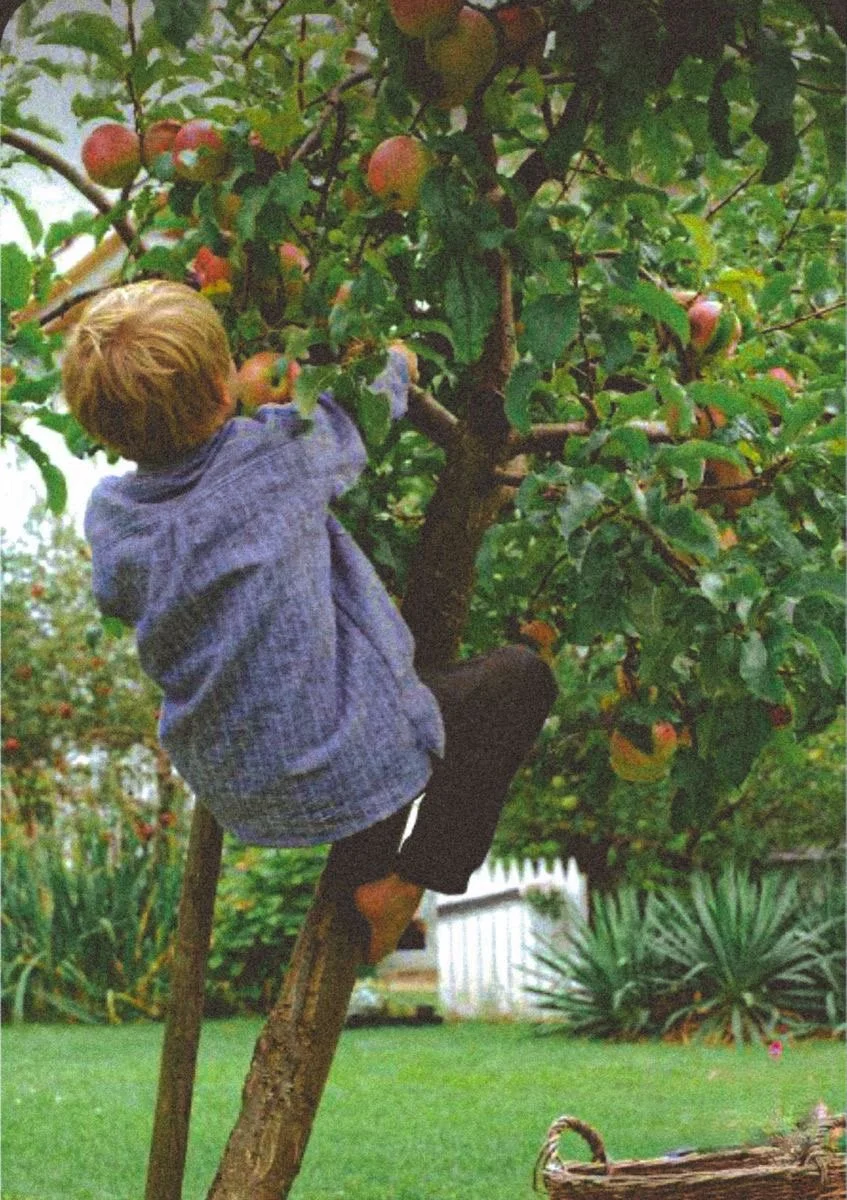
Something is different this summer. Instead of the sterile structure of all-day summer camps, instead of hand-wringing about the “summer slide” or academic decline, and instead of stressing over social pressure to make children invisible… moms are taking summer back.
Back to the ‘90s, that is. Before COVID. Before ubiquitous screens. Before safetyism.
Back to: “I’m sorry about your window, Mr. Diaz; that’s my baseball.”
It’s as refreshing as drinking water straight from the hose. And I can understand why it’s popular. I’m a mom of four, and these pillars of a “‘90s summer” are all reasons to buy in:
Independence
Kids today are oppressed. For a variety of reasons, parents are not likely to let their kids roam freely without direct adult supervision. Even most American 14-year-olds aren’t allowed to leave their own street! But kids benefit from some independence. They learn how to honor rules and boundaries. They learn how to solve problems without mom or dad. And they learn the confidence that comes with this.
Selective Screen Time
Parents today are in a constant war with screens. But occasional TV and movies are a part of summer, and can even be good. Longer-form video entertainment with a real plot is much better than the slop diet of short-form nonsense available to kids today on YouTube or TikTok. Pull the plug on that stuff, but don’t skip “Homeward Bound.”
Physical Play
Riding bikes, running around, pulling together a scrappy neighborhood game of whiffle ball… This kind of sweaty summer play is exactly what the doctor ordered. Physical activity isn’t just good for fighting childhood obesity; it helps kids work out their energy, sending endorphins to their little brains, and even helping them sleep better. Just keep Band-Aids handy.
Outdoor Time
Kids benefit from digging in the dirt, tasting honeysuckle nectar, rolling in the grass, blowing dandelions, making necklaces from flowers, and otherwise exploring their natural environment. Of course, if there’s an afternoon thunderstorm or excessive heat, it’s a good idea to bring them inside. But sunshine is as necessary an ingredient for kids as for flowering plants.
Unstructured Time
In the upper-middle-class, two-income household, it’s become popular in recent years to book kids in full-day, back-to-back-to-back weeks of summer camps, often hosted by the local museum, YMCA, or …gulp… school. While a week here and there of immersive day camp can be enriching, an overscheduled summer can rob kids of the free time that is the hallmark of summer break. Pro-’90s-summer moms say “no!” to constant camp. We know that unstructured time, and even boredom, is good for kids.
Spontaneous Socialization
During the school year, kids typically get a lot of time with their peers. But during summer break, especially if they aren’t in camps, kids can suffer from reduced social opportunities. Giving kids the freedom to knock on the doors of their neighbors can help them make local connections and hone social skills that they otherwise might not develop. Go ahead, ring the doorbell and ask if Jack can come out and play. (He can; he just needs to find his shoes.)
Self-Led Reading
My ‘90s childhood summers were always filled with reading, but not the teacher-assigned kind, the independent kind done for the sheer love of reading. The ‘90s were a great time for kids’ book series: Babysitters Club, Animorphs, Choose Your Own Adventure, Redwall, and many more. You could even go extremely classic and read Hardy Boys, Boxcar Children, or Nancy Drew. Any of these titles beat much of today’s woke or inappropriate kids’ books, which make ‘90s-era parental concern over the witchcraft in Harry Potter seem quaint. But bottom line: Self-led reading is good for kids.
Family Time
While long breaks from school can sometimes make families sick of each other, increased family time is good. Summer break offers the opportunity to go visit grandma, tag along with dad to his work for a day, or work on a secret sibling handshake. Family meals together yield massive positive effects for kids, physically, emotionally, and even cognitively. Watermelon and pizza together in the backyard counts!
But perhaps the greatest benefit of the ‘90s approach to summer is that it yields benefits not just to kids, but to parents as well. There’s no need to pull our hair out scrambling for spots in the most competitive STEM camps. And there’s no need to give our kids’ brains over to the smartphone. We can feel good about parenting again. Parenting can be fun again. Just make “‘90s mom” the goal. Tell those kids to go outside and play. I mean, wear a helmet… but go!
Hadley Heath Manning is a senior fellow at Independent Women.